Exploring Diabetes And Long-Term Care

Exploring Diabetes And Long-Term Care

Abstract Diabetes affects a large number of patients in the long-term care (LTC) setting, and their care is often complicated because of multimorbidity, diabetes -related complications, disability, dependency on caregivers, and geriatric syndromes, including frailty and cognitive impairment. Abstract Diabetes affects a large number of patients in the long-term care (LTC) setting, and their care is often complicated because of multimorbidity, diabetes -related complications, disability, dependency on caregivers, and geriatric syndromes, including frailty and cognitive impairment. Identify the unique complexities of diabetes management in aging populations and explore opportunities for improvement in long-term care settings. Discuss multidisciplinary approaches and potential pilot programs to enhance diabetes care through industry and research partnerships. Evaluate innovative solutions and strategic initiatives to improve diabetes outcomes in long-term care environments. Identify the unique complexities of diabetes management in aging populations and explore opportunities for improvement in long-term care settings. Discuss multidisciplinary approaches and potential pilot programs to enhance diabetes care through industry and research partnerships. Evaluate innovative solutions and strategic initiatives to improve diabetes outcomes in long-term care environments. there is a disproportionate number of diabetes diagnoses affecting the older generation, with approximately 30% of the overall population being 65 years or older while nearly 4% impacted are young adults. Of those over 65, 25-34% reside in long-term care (LTC) facilities. The rise in diabetes is causing a significant increase in healthcare demands and cost the U.S. there is a disproportionate number of diabetes diagnoses affecting the older generation, with approximately 30% of the overall population being 65 years or older while nearly 4% impacted are young adults. Of those over 65, 25-34% reside in long-term care (LTC) facilities. The rise in diabetes is causing a significant increase in healthcare demands and cost the U.S. Diabetes is more common in older adults, has a high prevalence in long-term care (LTC) facilities, and is associated with significant disease burden and higher cost.

Abstract Diabetes affects a large number of patients in the long-term care (LTC) setting, and their care is often complicated because of multimorbidity, diabetes -related complications, disability, dependency on caregivers, and geriatric syndromes, including frailty and cognitive impairment. Abstract Diabetes affects a large number of patients in the long-term care (LTC) setting, and their care is often complicated because of multimorbidity, diabetes -related complications, disability, dependency on caregivers, and geriatric syndromes, including frailty and cognitive impairment. Identify the unique complexities of diabetes management in aging populations and explore opportunities for improvement in long-term care settings. Discuss multidisciplinary approaches and potential pilot programs to enhance diabetes care through industry and research partnerships. Evaluate innovative solutions and strategic initiatives to improve diabetes outcomes in long-term care environments. Identify the unique complexities of diabetes management in aging populations and explore opportunities for improvement in long-term care settings. Discuss multidisciplinary approaches and potential pilot programs to enhance diabetes care through industry and research partnerships. Evaluate innovative solutions and strategic initiatives to improve diabetes outcomes in long-term care environments. there is a disproportionate number of diabetes diagnoses affecting the older generation, with approximately 30% of the overall population being 65 years or older while nearly 4% impacted are young adults. Of those over 65, 25-34% reside in long-term care (LTC) facilities. The rise in diabetes is causing a significant increase in healthcare demands and cost the U.S. there is a disproportionate number of diabetes diagnoses affecting the older generation, with approximately 30% of the overall population being 65 years or older while nearly 4% impacted are young adults. Of those over 65, 25-34% reside in long-term care (LTC) facilities. The rise in diabetes is causing a significant increase in healthcare demands and cost the U.S. Diabetes is more common in older adults, has a high prevalence in long-term care (LTC) facilities, and is associated with significant disease burden and higher cost.

Latest Research On Respiratory Health With Natural Therapy

Latest Research On Mental Health And Long-Term Care

Treating Mental Health In Daily Life

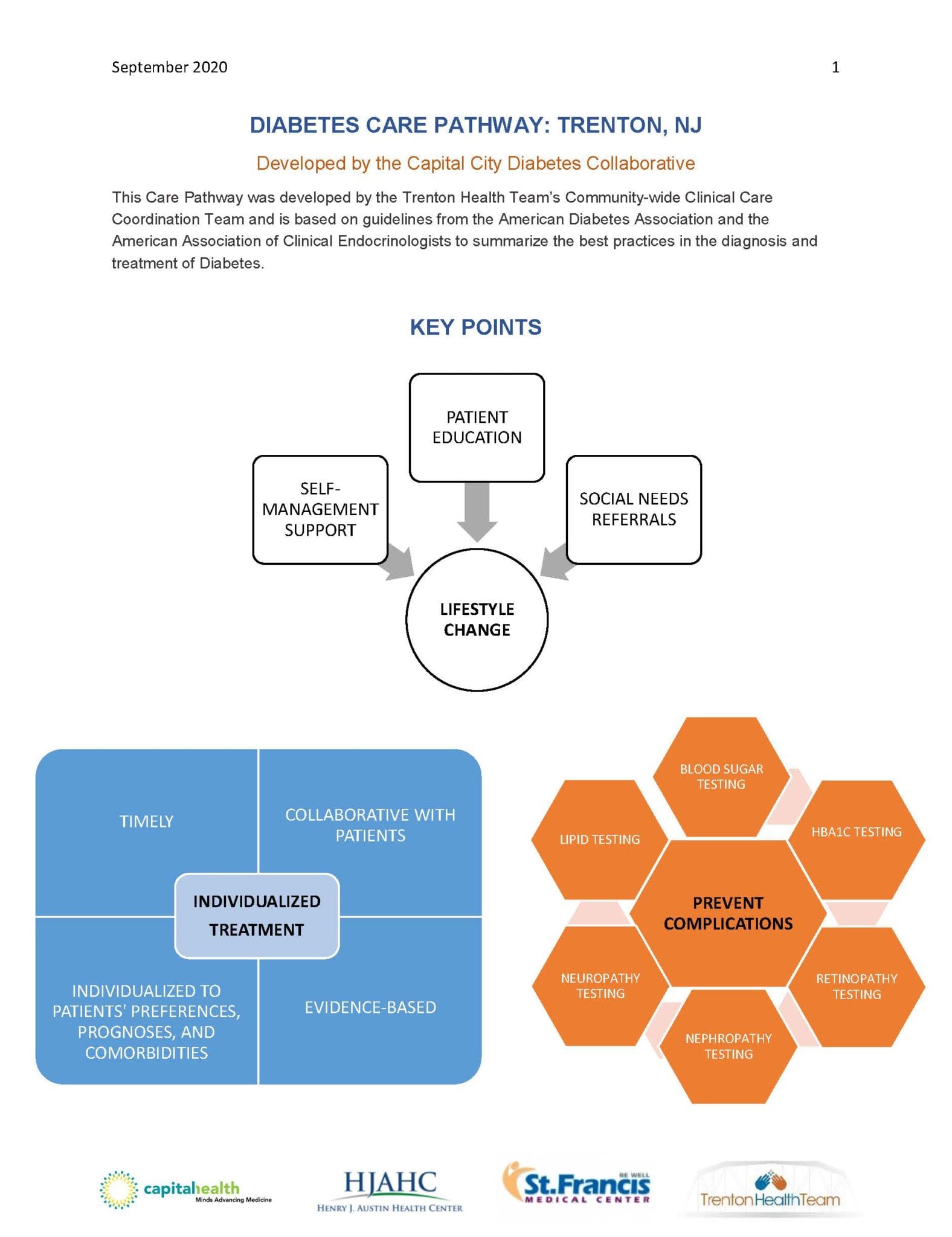
Diabetes Care Pathway Updated September 2020 - Trenton Health Team
Diabetes Care Pathway Updated September 2020 - Trenton Health Team
Type 2 Diabetes Mellitus With Hyperglycemia: Symptoms, Treatment, And
Type 2 Diabetes Mellitus With Hyperglycemia: Symptoms, Treatment, And ...
Longterm Complications Diabetes Medical Infographic Diabetes Stock
Longterm Complications Diabetes Medical Infographic Diabetes Stock ...